

By definition, filtration means removing one substance or material from another, usually by means of a mechanical or physical operation. The air filtration process involves the separation of gas solids by interposing a barrier through which only clean gas can pass. This barrier is known as a filter medium. A filter medium must meet the efficient flow requirements, satisfactory mechanical and chemical resistance and quality of the filtrate or filtration pie. Dust particles pollute the air and therefore adequate filtration is required before emission. Environmental regulations have become more demanding and it is our moral responsibility to preserve and protect the environment. It is the industry’s obligation to ensure that air emitted is clean, free of dust or harmful chemicals.
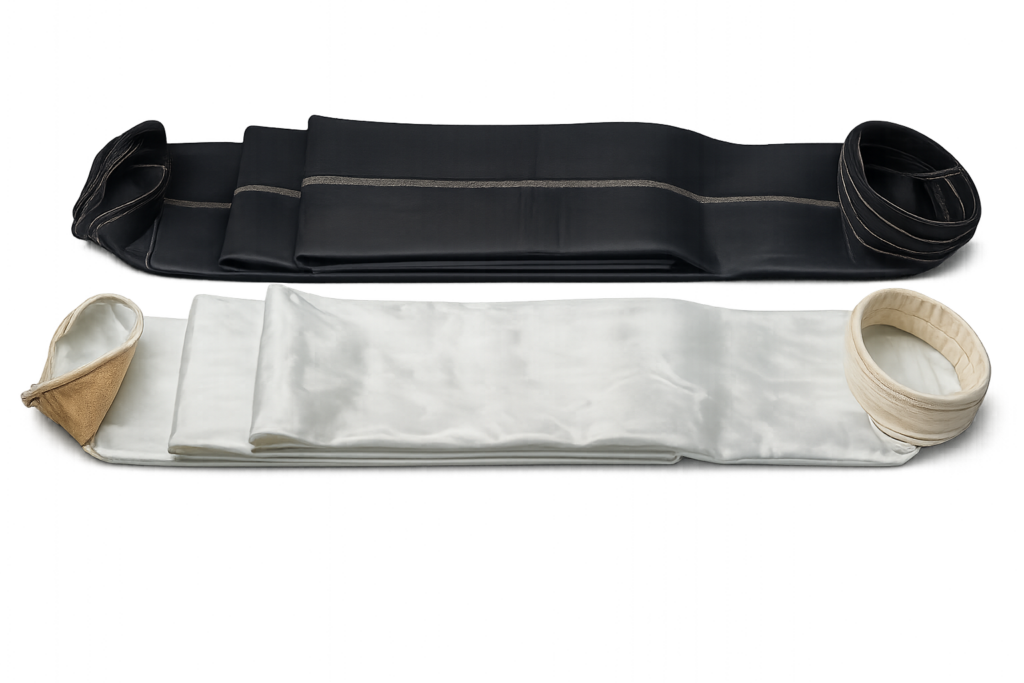
baghouseIt is a generic name for air pollution control equipment. Fabric filters, commonly known as baghouses, consist of a series of long, narrow bags suspended in large compartments. Several bags, typically with a diameter of 120 mm to 400 mm and a length from 2 m to 10 m, are arranged vertically in this compartment. These bags are used to filter dust particles from dust from dust. Dust-laden gas enters the baghouse and passes through the woven bags that act as filters. The gas passes up/down through the bag and leaves behind a layer of dust outside/inside the bag. The common types of baghouses are: mechanical agitator, reverse air, pulsed jet and new hybrid baghouses.
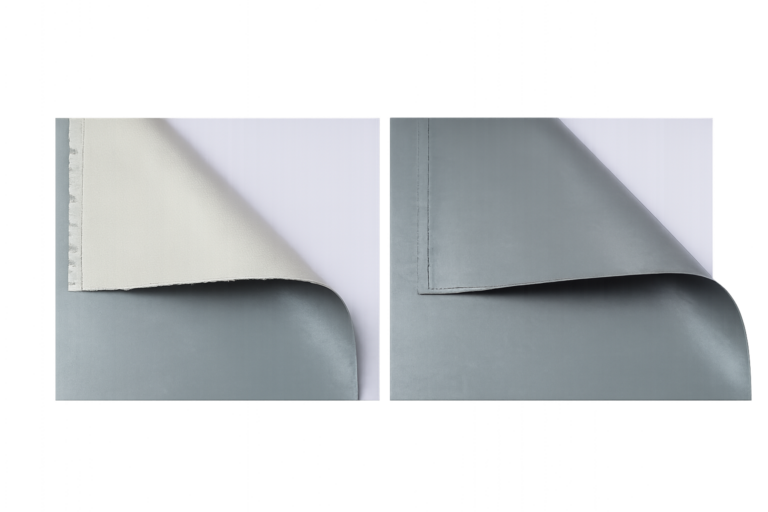
Filter bags can be woven or non-woven. Urja is dedicated exclusively to the manufacture of fiberglass fabrics. The thread count and the pattern of the weft can be changed to determine the size of the pores for filtration. Fiberglass is strong, durable, resistant to chemicals and non-hygroscopic. Long tubular bags, made with fiberglass fabric, are used for filtration of hot combustion gases. Special finishes or coatings are applied to these fabrics to ensure adequate filtration. A common blend of graphite, silicone and PTFE has been used for many years. Urja offers specific fabrics for demanding applications and resistant to chemical attacks.
Typical fiber fabric styles for gas filtration
| style | dft 570gt | dft730 ttf | dft 850tarf | NB470 GT | NB770 GT | 520GTT (3×1) | NB-470-GT (3×1) |
| Plot Pattern | Twill | Twill | Twill | Satin | Satin | Twill | Twill |
| Thickness (mm) | 0.50 | 0.85 | 0.95 | 0.42 | 0.68 | 0.56 | 0.42 |
| Finish | Triple finish (Teflon®, graphite, silicon) | Teflon® | Acid resistant finish | tri finish | tri finish | tri finish | tri finish |
| Air permeability CFM/SQFT ½” water gauge (cm3/cm2/sec to 12.7 mm water gauge) | 20-60 (10-30) | 20-50 (10-25) | 070-90 (35-45) | 20-30 (10-15) | 60-90 (30-45) | 40-60 (20-30) | 60-90 (30-45) |
| tensile strength of warp weft kg/cm 25.4 mm | 180+ | 180+ | 180+ | 180+ | 120+ | 180+ | 180+ |
| Filling resistance Kg/25.4 mm | 180+ | 180+ | 220+ | 150+ | 250+ | more than 100 | 150+ |
| MULLEN KG/cm² breaking force | >40 | >40 | >45 | >40 | >50 | >40 | >40 |
| GSM (grams/square meter) | 525-575 | 650-730 | 780-850 | 430-470 | 720-830 | 460-520 | 430-470 |
| continuous operating temperature | 260°c | 260°c | 260°c | 260°c | 260°c | 260°c | 260°c |
| Maximum peak temperature | 290°c | 290°c | 290°c | 290°c | 290°c | 290°c | 290°c |
| App | Wrist Jet Cleaning | Reverse air cleaning | |||||
All of these are nominal values
Sewing thread

The sewing of the filter bag is of paramount importance. A sturdy and suitable line will never cause the bag to break or tear during its operation. A broken bag will result in inadequate filtration and cause an unexpected stop. A small factor can lead to big problems for the plant manager. Urja manufactures the ideal line for fiberglass filter bags. Various type E fiberglass yarns are twisted and braided for greater strength and then coated with PTFE under controlled conditions. The PTFE coating protects the line from chemical damage when the bag is exposed to flue gas and also facilitates sewing operations. Urja’s product, code PTZ 7513, has shown superior performance in the Indian market for the past 30 years.