

plasma source
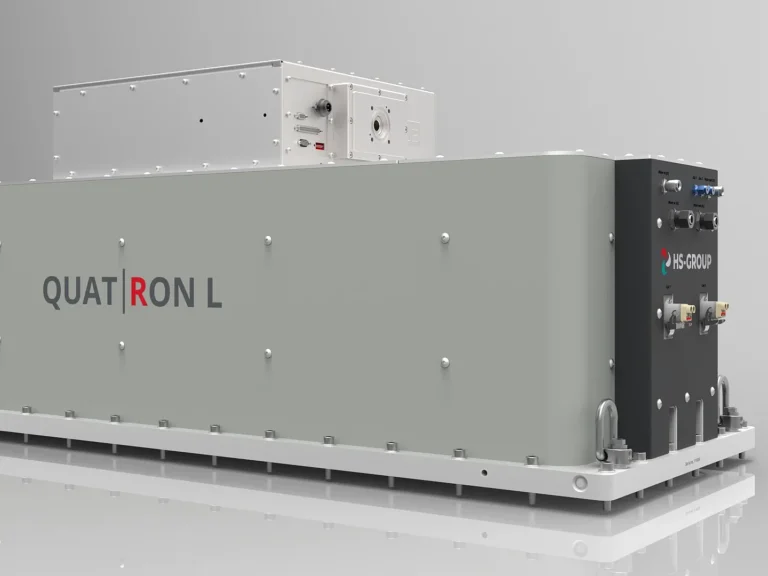
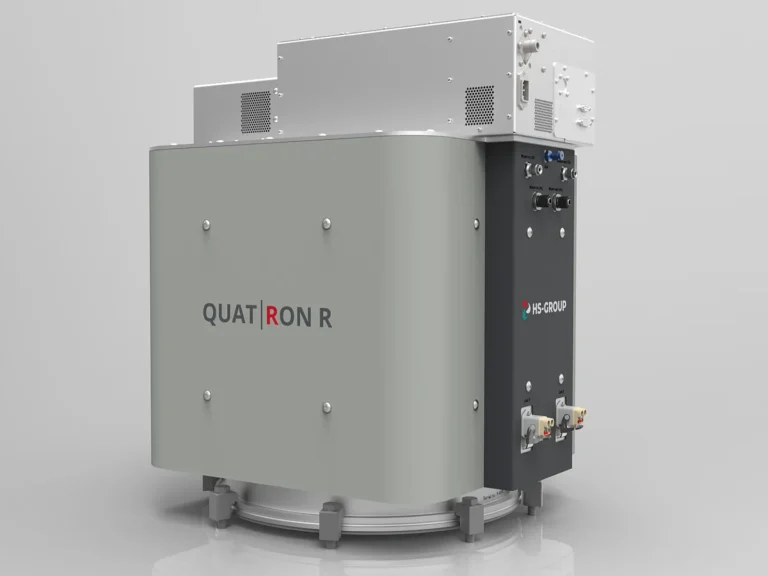
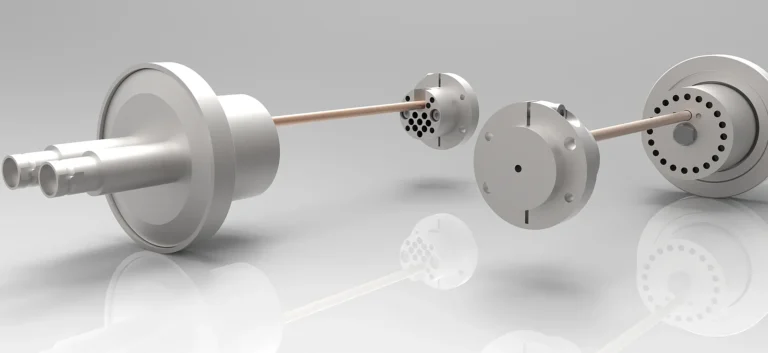
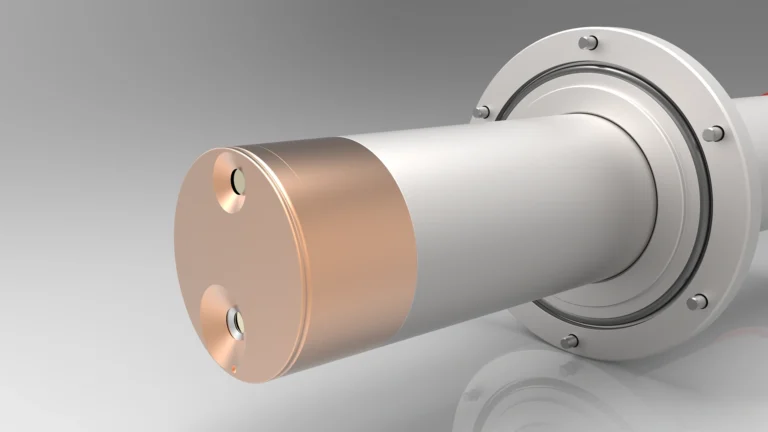
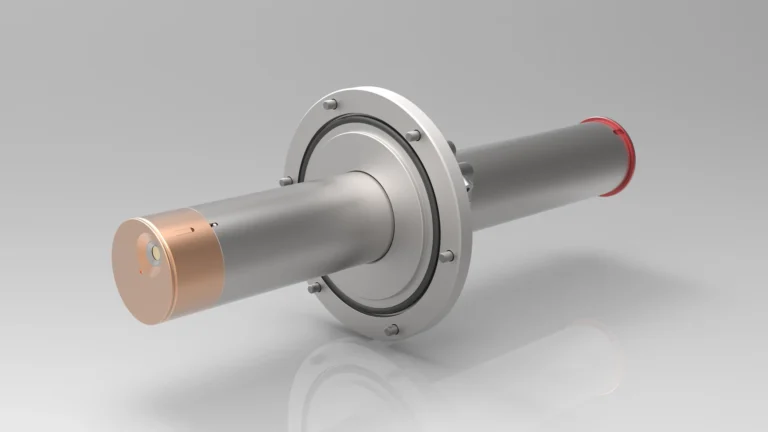
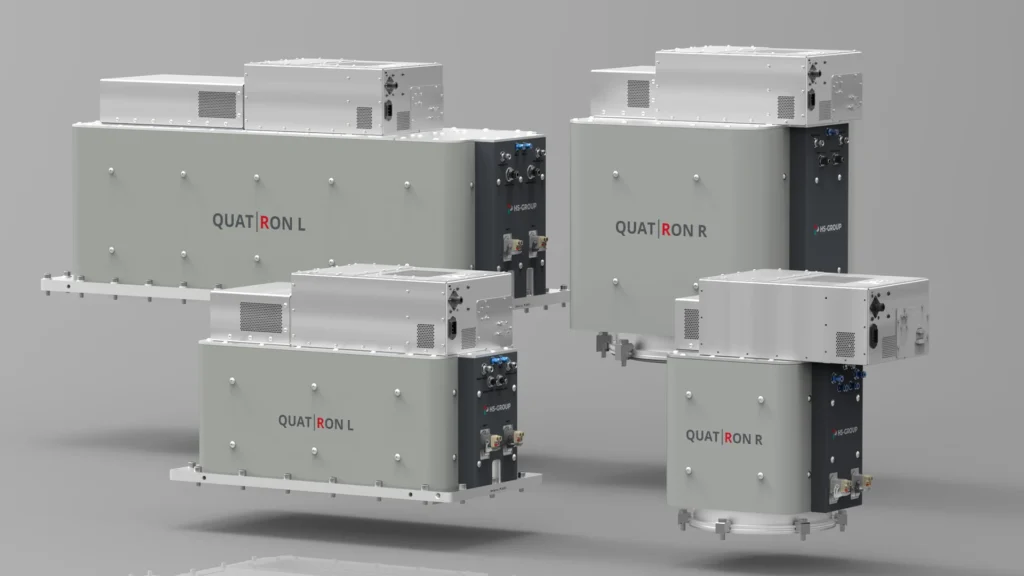
With the QuatroN line, HS-Group GmbH offers maximum process accuracy, flexible beam geometries and easy integration into a wide variety of systems. The system provides homogeneous and reproducible coatings, operating stablely with ion energies between 20 and 1500 eV.
The neutral plasma beam prevents electrostatic substrate charging, eliminating the need for a neutralizer. Thanks to the various possibilities of application in engraving processes (etching), IBS, cleaning, activation and PECVD, QuatroN combines scalability, process reliability and maximum system flexibility.
The plasma generation and extraction methods used and patented by HS-Group GmbH enable the application of plasma technology in a wide range of industrial applications.
The adaptation of plasma sources for different frequencies, such as 13.56 MHz, 27.12 MHz or 40 MHz, can be performed easily. Higher frequencies provide a higher degree of ionization and, consequently, higher plasma density, higher ionic current and greater energy.
It is also possible to carry out coatings directly “at the source”. In DLC processes, for example, C+ atoms are prepared within the source itself and the surfaces are treated with defined energy, current and direction.
The coils of the magnetic field are axially oriented. This allows you to influence the magnetic field and modify the characteristics of the beam, such as energy and focus. The magnetic field makes it possible to adjust the plasma to different process conditions, such as camera pressure.
Special Features of Plasma Sources QuatroN
- Neutral and parallel beam (without static substrate loading)
- Extraction grid — single piece subject to wear
- Accurately adjustable beam ion energy: 20 to ~2000 EV
- Beam current intensity: up to ~6 mA/cm²
- Typical operating/pressure range: 1×10⁻⁴ Up to 5×10⁻³ Mbar
- Highly monochromatic energy distribution within the corresponding pressure range
- Plasma operation with multiple gases simultaneously, with first mixing taking place within the plasma source itself
With capacitatively coupled plasma sources, both CVD processes and plasma-assisted processes in conventional PVD methods are possible. The power range typically ranges from 20 EV to 2000 EV or more.
Ideal frequency for each process
Operation at 13.56 MHz, 27.12 MHz or 40 MHz for ideal ionization and maximum plasma density.
Axial control of the magnetic field
Variable beam characteristics (energy and focus) for process-specific adjustments.
Ionic technology with energy control
Variable ion generation directly at source for maximum process stability and reproducibility.
Robust, versatile and high-energy
Capacitatively coupled sources for etching, CVD and PVD processes with a wide range of gases and energies.